


Every whiskey brand hits a point where production decisions set the course for everything that follows. The partner you pick shapes the quality, timelines, cost, and the reputation your label carries onto the shelf. As American whiskey grows, more founders are handing production over to outside experts rather than sinking capital into their own facilities. It lets brands move faster while working alongside distillers who know the process inside and out.
This blog covers the questions that matter most when you evaluate beverage contract manufacturing, so you can approach starting a beverage company with a clear head.
What Beverage Contract Manufacturing Really Means for Alcohol Brands
Alcohol beverage contract manufacturing means a specialized producer makes your spirit for you, handling the technical work while you own and build the brand. The terms blur together, so the distinctions are worth knowing. Contract distilling covers making the liquid itself, from mash bill through distillation. Co-packing handles filling, packaging, and finishing goods. Private label provides you with a finished product you can brand as your own.
A beverage co-partner sits at the center of your supply chain, tying together raw materials, production, and bottles ready for shipment. Brands outsource because building a distillery eats millions in capital, takes years of construction, and never stops carrying operational risk. Partnering strips those barriers away and frees your team to focus on marketing, sales, and growth.
Why the Right Partner Matters When Starting a Beverage Company
Owning a distillery gets expensive fast. Land, stills, warehousing, licensing, and staff push past seven figures before a single bottle ships. For most founders, that infrastructure pushes a launch out by years. A production partner cuts your time to market, taking a concept to a shelf-ready product in a fraction of that window.
Pick wrong, and you get the opposite. Inconsistent quality, blown timelines, and spotty communication kill momentum and burn trust with buyers. The right partner hands you flexibility. New brands gain access to expertise they cannot afford on their own, and established brands increase volume without spreading themselves too thin. When you are starting a beverage company, that flexibility often decides who makes it past year one.
Question 1: What Production Capabilities and Capacity Do They Offer?
Ask what a partner can do under one roof. Distilling, blending, barrel storage, and bottling, all running in a single operation, cut the number of vendors you juggle and the points where things break down. A strong partner runs both small pilot batches and large production runs, so your program can grow without switching facilities midstream.
Look at the spirit categories and mash bills on offer. Bourbon, rye, or a recipe of your own, the range sets how much creative room you have to work with. End-to-end support keeps your project moving with one accountable team rather than a chain of handoffs.
Question 2: How Transparent and Collaborative Is the Relationship?
Transparency is what separates a vendor from a real partner. You deserve a say in the recipe, access to sourcing details, and production specs so you know exactly what goes into your product. Nail down who owns the formulations and intellectual property before you sign, because your recipe is a core brand asset.
Ask how often they communicate during development and production. Regular updates, sample reviews, and straight answers point to a partner who treats your brand as a shared priority. When a beverage co partner shares information freely, it shows confidence in their process and respect for where you want to go.
Question 3: What Compliance and Quality Standards Do They Meet?
Alcohol production is subject to federal and state regulations that leave no margin for error. Confirm that the partner meets TTB standards and holds the required licenses. Ask about quality-control checkpoints throughout distilling, aging, and bottling because consistency protects your name.
Batch-to-batch and run-to-run consistency matters most once your product earns loyal buyers. A dependable partner backs you up with documentation and licensing support, keeping your brand compliant as it moves into new markets.
Question 4: Can They Support Private Label and Custom Programs?
Not every brand starts with a custom recipe. Ask whether a partner offers private label alcohol manufacturing, which gives you a proven product to brand quickly, plus custom mash bills for a signature profile. Both paths earn their keep depending on your timeline and budget.
Look past the liquid too. Packaging, labeling, and finished-goods logistics turn production into inventory ready for the shelf. The best programs scale alongside you, letting you start with private label and move toward fully custom spirits as your brand finds its footing.
Question 5: What Is Their Track Record and Industry Reputation?
Reputation tells you a lot about reliability. Look at a partner’s history, ownership, and the established brands in its portfolio. Proof points in infrastructure and production scale demonstrate they can deliver on their promises. Ask for references and talk to current clients about how it went.
Kentucky whiskey heritage carries real weight in this business. A partner rooted in that tradition pairs proven technique with the credibility buyers and distributors already recognize.
How We Approach Contract Distilling and Custom Spirits
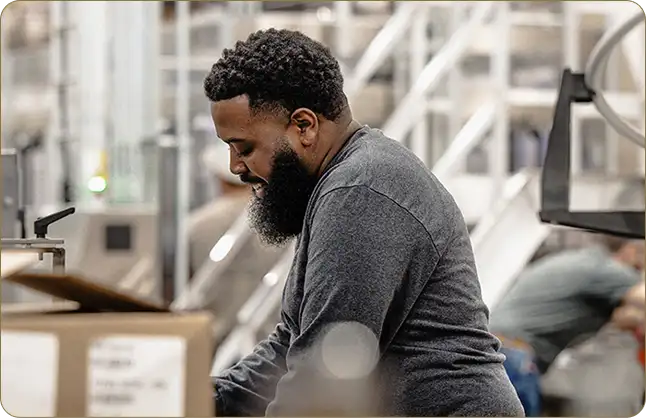
At Lofted Spirits, we built our model to take the friction out of production. Through Lofted Custom Spirits, we run distilling, barrel storage, and bottling as one connected operation, so your team works with a single accountable partner at every stage.
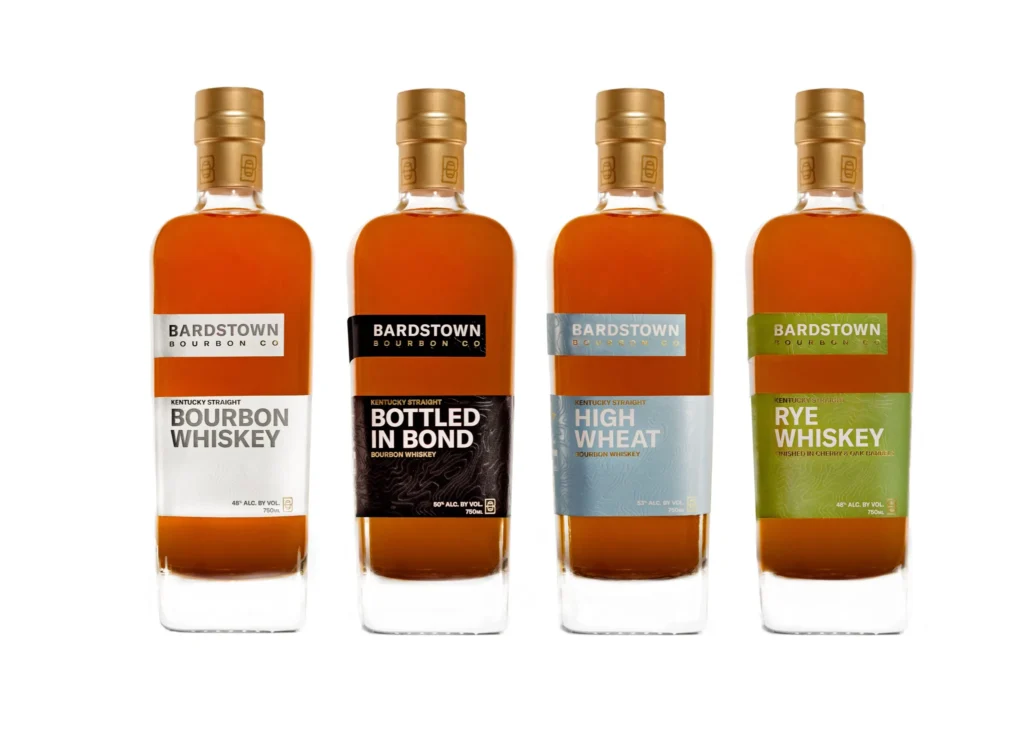
We give brands flexible, scalable programs that grow from pilot batches to large volume. Our brand portfolio includes respected names like Bardstown Bourbon Company and Green River Distilling Co., demonstrating both the range and depth we bring. Our expanded bottling capacity and production infrastructure support brands ready to scale in the American whiskey category. Beverage contract manufacturing and alcohol beverage contract manufacturing sit at the center of what we do, and we treat every program as a long-term partnership.
FAQs
What is the difference between contract manufacturing and private label alcohol?
Contract manufacturing gives you production support built around your specifications, custom recipes, and processes included. Private label hands you a ready-to-brand finished product you label and sell as your own.
How much volume do I need to start a beverage brand?
You do not need huge volume to start. We offer small-batch flexibility for new brands, so you can launch at a manageable scale and add production as demand climbs.
Who owns the recipe in a contract distilling agreement?
Recipe ownership depends on your agreement, and we recommend putting it in writing before production begins. In our custom programs, we structure the terms so your intellectual property stays protected and your recipe stays yours.
Create Something Truly Extraordinary
Choosing a production partner comes down to a handful of clear questions. Capabilities, transparency, compliance, program flexibility, and reputation are what separate a strong partner from a risky one. When those pieces line up, the right partner turns your whiskey idea into a shelf-ready brand backed by real expertise. And for consumer audiences, we always encourage responsible enjoyment of every pour.
Ready to move your whiskey vision forward? Connect with our custom spirits team through our contact page and start the conversation.