

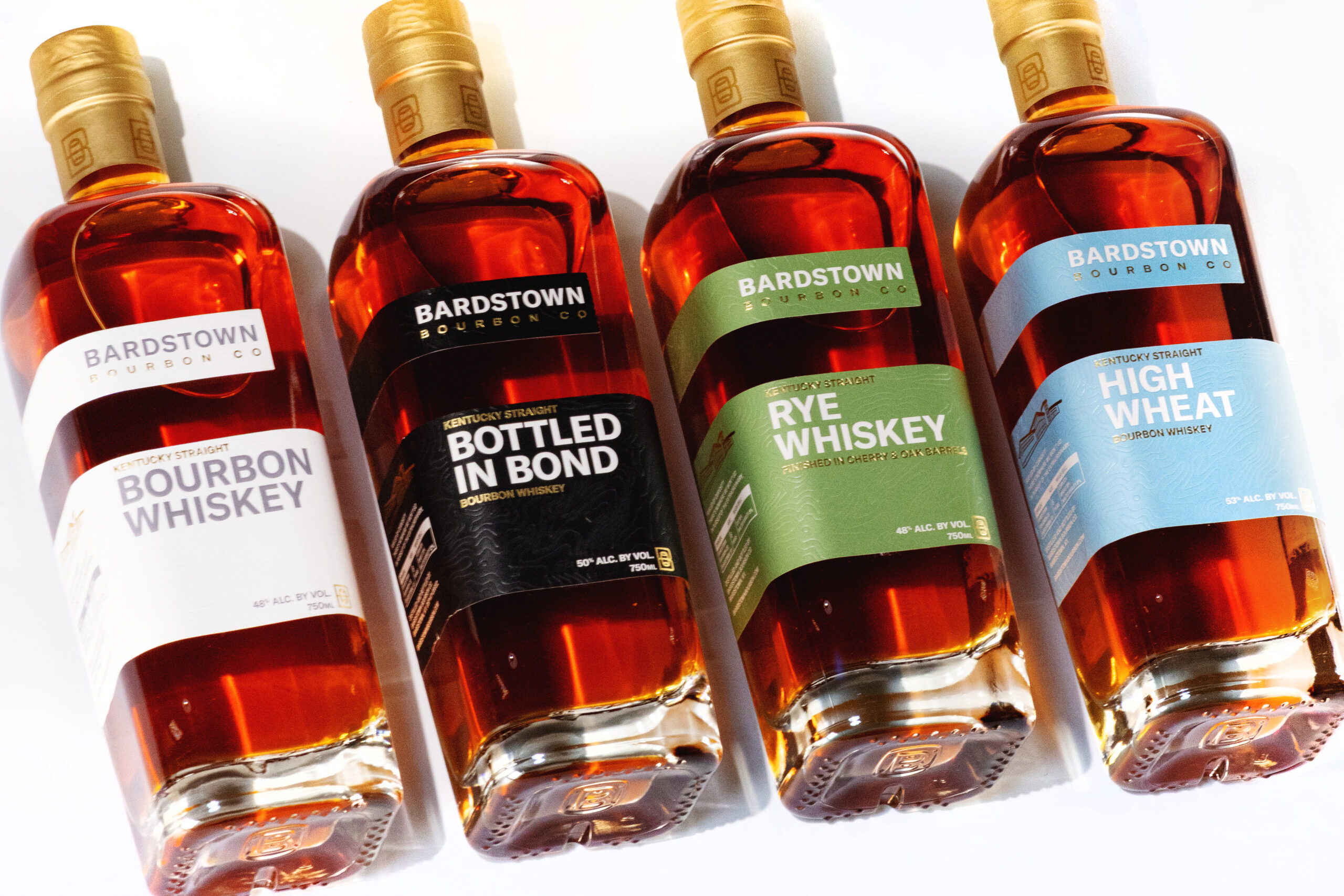
Compliance is the first hurdle every new spirits brand hits, and it shows up long before a single bottle reaches a shelf. The Alcohol and Tobacco Tax and Trade Bureau, or TTB, sets label requirements that dictate your entire launch timeline. Miss a mandatory statement or file at the wrong point, and your release date slides back weeks. At Lofted Spirits, we fold compliance into production from the start, walking founders through permits, COLA filings, and label rules so nothing stalls the launch.
This blog walks through TTB label requirements, COLA approval for spirits, the statements every bottle needs, label design tips, and a realistic timeline for getting your private label spirits program to market.
Why TTB Compliance Comes Before Your First Bottle
The TTB has federal authority over how spirits get labeled and marketed. No product crosses state lines without meeting its standards. Rush or skip approval and the fallout is real: rejected filings, inventory you can’t sell, distribution stuck in place.
In the private label journey, compliance belongs at the front of the process, not the tail end. We treat it as the base of every production run, checking formulas, labels, and permits from day one so founders sidestep expensive resubmissions and keep their launch on track.
The Permits You Need Before You Can Label Anything
Before any label reaches the TTB, someone has to hold a Federal Basic Permit. That permit authorizes production, bottling, or wholesale of distilled spirits. In a private label setup, either the production partner or the brand owner carries the permit, depending on how the deal is structured.
State licensing adds another layer, and those rules shift by jurisdiction and by how you plan to sell. Our production partnership simplifies these responsibilities, so founders build their brand while we handle much of the permit and facility compliance in the background.
Understanding COLA Approval for Spirits
A Certificate of Label Approval, or COLA, is the TTB’s formal sign-off that your label meets federal rules. COLA approval for spirits is required before you distribute a product across state lines. A few exemptions exist, such as products sold only within one state under specific conditions, but most brands entering wider markets need approval.
Founders can review the official requirements and file directly through the TTB to confirm which category fits their product.
The COLA Application Process, Step by Step
Applications run through the COLA’s online system. After you submit, review times vary with volume and product complexity, and they often stretch several weeks. Common reasons for rejection include missing mandatory statements, wrong class or type designations, and incorrect alcohol content. If the TTB asks for corrections, you revise and resubmit instead of starting from scratch. Once approved, you move to production.
Filing a complete, accurate application the first time is the surest way to protect your alcohol label approval timeline.
Mandatory TTB Label Requirements Every Bottle Must Meet
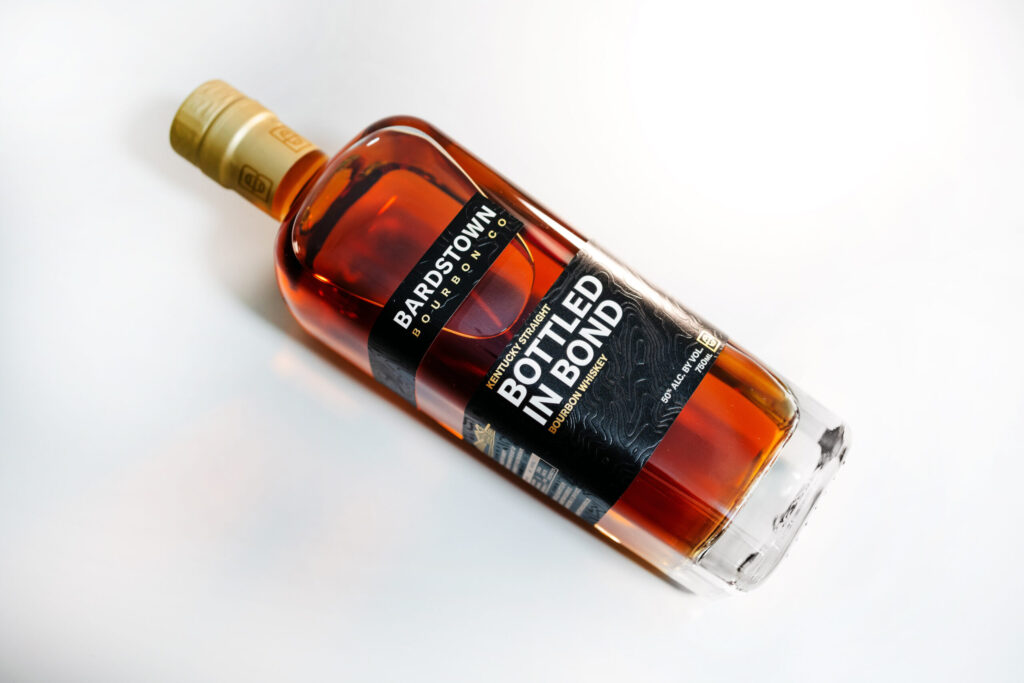
Every compliant bottle carries specific information. TTB label requirements cover the brand name, the class and type designation like bourbon or vodka, the alcohol content by volume, and the net contents statement. Labels also need the government health warning and the name and address of the bottler or producer.
The TTB bans misleading claims, false geographic references, and any wording that suggests unverified qualities. Getting these elements right keeps your product eligible for alcohol label approval and protects your brand from enforcement problems later.
Designing Labels That Pass Approval and Survive the Cooler
Strong label design balances brand creativity with the placement rules the TTB enforces. Mandatory statements need correct placement and legible type size, so design and compliance must work together from the first draft. After approval, labels take on ice, moisture, and constant handling, so material choice matters. Durable stocks and adhesives keep your label intact through the cooler and the customer’s grip.
Getting design and TTB requirements right the first time saves resubmission cycles. For finished-product inspiration, look at the reputed brands we work with.
How We Support Founders Through Private Label Spirits Compliance
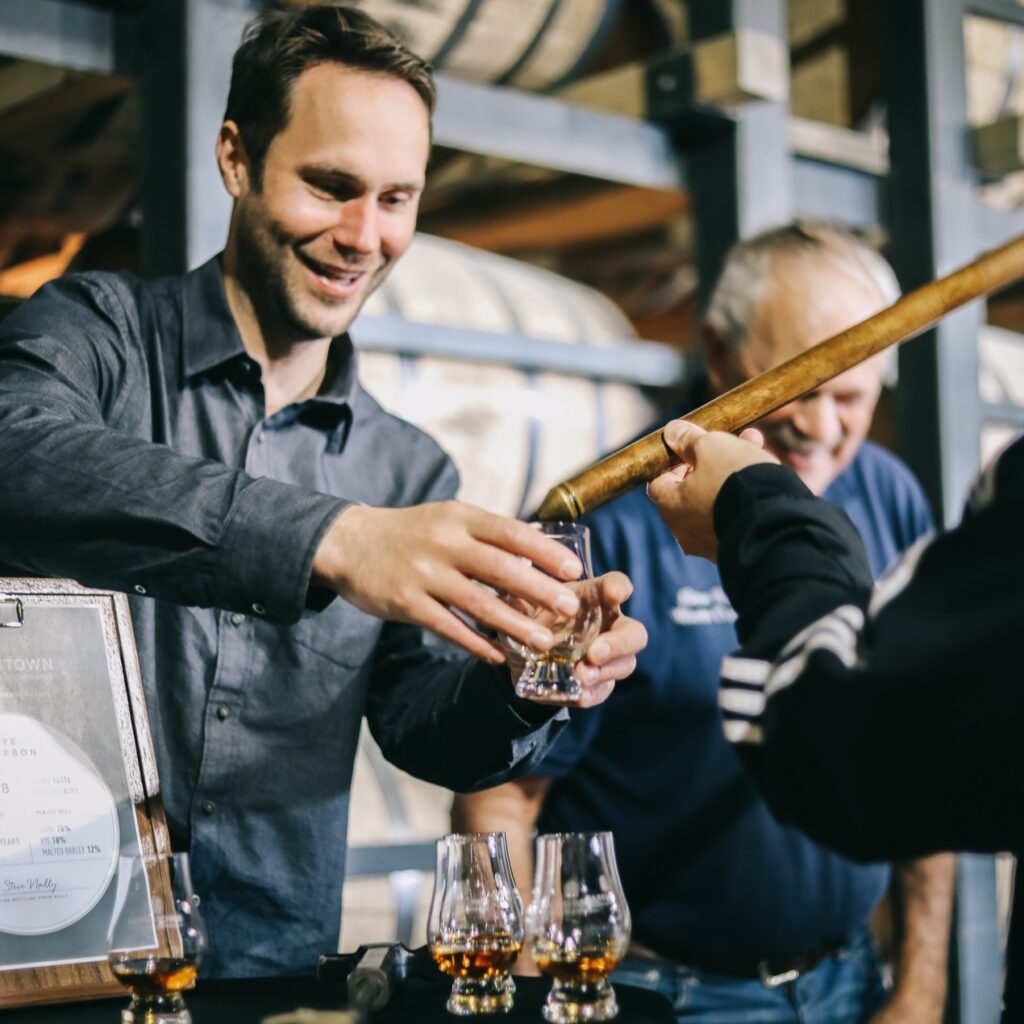
We bring production, bottling, and labeling under one roof, which cuts the friction of juggling separate vendors. Our custom bottling and private-label whiskey services let founders scale from small runs to large volumes without changing partners. Barrel storage, logistics, and large production infrastructure give brands room to grow.
Working alongside our house brands and Lofted Custom Spirits, we turn private label spirits compliance into a managed process instead of a wall. Founders concentrate on their brand while we handle the technical and regulatory groundwork.
Building a Realistic Compliance and Launch Timeline
A durable launch plan sequences permits first, COLA approval next, and production runs after that. Build in buffer time for revisions and resubmissions, since the TTB may ask for corrections. Coordinate labeling with distribution planning so approved products reach shelves without a gap.
Our infrastructure shortens time to market by aligning these steps under one team, so founders move from concept to bottle with fewer delays and clearer expectations at each stage.
FAQs
How long does COLA approval for spirits take?
Processing often runs several weeks, though timelines shift with application volume, product complexity, and accuracy. Complete, error-free submissions clear faster. Corrections extend the window.
Do I need my own permit for private label spirits?
It depends on your structure. In many private label arrangements, the production partner holds the required permit, which lowers the compliance burden on the brand owner. We help founders figure out the right setup.
What are the most common reasons labels get rejected?
Missing mandatory statements, wrong class or type designations, and misleading claims top the list. Accurate alcohol content and proper placement of the government warning prevent most rejections.
Can we help with both compliance and production?
Yes. We pair compliance guidance with end-to-end production, bottling, barrel storage, and logistics, giving founders one partner for the full private label journey.
Build Your Brand, We Will Take Care of The Paperwork
Compliance is the foundation of a durable spirits brand. Every mandatory statement, permit, and COLA filing protects the work you put into your product. With the right partner, regulation becomes a launch advantage instead of an obstacle, clearing the path from concept to distribution. We combine Kentucky whiskey heritage with modern production scale to make that path faster and steadier for founders.
Partner with us on your private label program and turn compliance into your launch advantage.